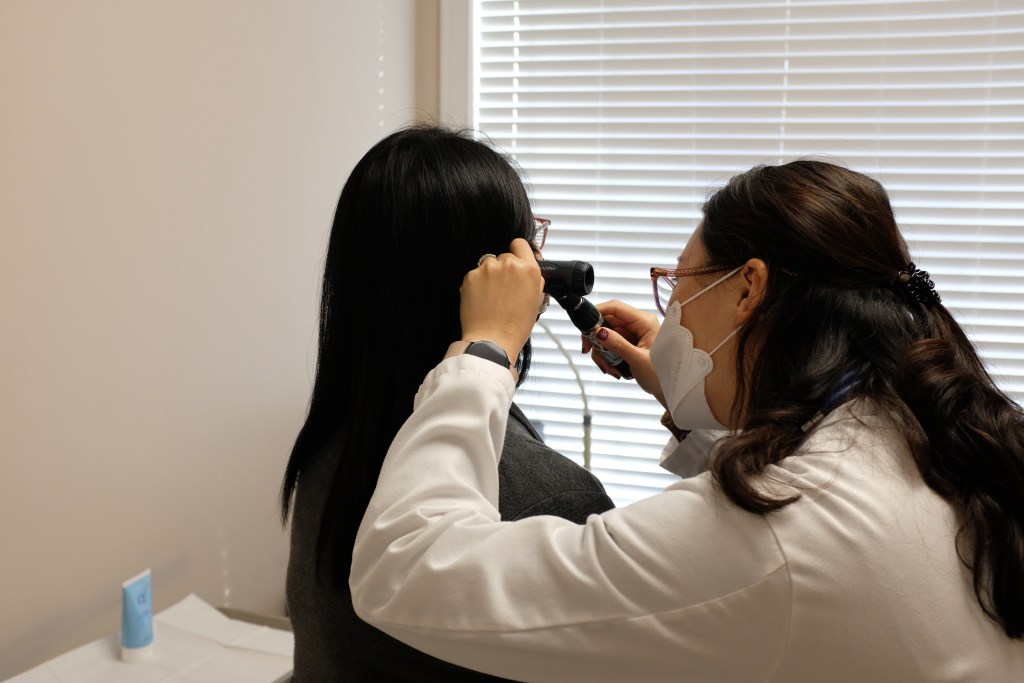
What Is Senior Care?
Senior care is a branch of medicine focused on preventing and treating illnesses and disabilities experienced by older adults. This broad term often encompasses more than just medical care – senior care, also known as geriatric care, also loops in a wide assortment of other health-related services such as care management, specialized medical care, promoting independence, and addressing social or psychological needs.
Preventative Care: The Focal Point
Similar to how preventive care is the focal point of our primary care practice, it is also the core of our senior care practice and philosophy. As we age and enter our golden years, it becomes even more important to focus on routine checks and proactive addressing of health concerns to ensure potential health risks do not evolve into serious health conditions.
At Excelsior Healthcare, our senior care doctors work with our senior patients on preventing and treating a myriad of conditions/health concerns, including:
- Hearing Loss
- Cataracts
- Geriatric Assessments
- Refractive Errors
- Back and Neck Pain
- Chronic Obstructive Pulmonary Disease
- Diabetes
- Chronic Pain
- Depression
- Dementia
- Cognitive Decline and Memory Disorders (Alzheimer’s, Dementia)
- Balance Issues & Falls
- Oral Health Problems
- Heart Disease
- Osteoarthritis
- Osteoporosis
- Respiratory Diseases
- Influenza or Pneumonia
- Vision or Hearing Loss
- Cancer
- Arthritis
- Obesity
- Substance Abuse
- Shingles
- Vitamin Deficiency
- Chronic Health Problems
- Malnutrition
- Bladder Control and Constipation
- Medication Noncompliance
- Medication Management
- Coordinating Care Between Specialists
- Nutritional Counseling
- Specialist Referral
- Geriatric Alcoholism
- Anxiety Care
- Rehabilitation
- Bereavement Support
- Palliative Care
- Environmental Safety Planning
Things to Consider When Choosing a Senior Care Doctor
While oftentimes a patient may opt to see both a separate primary care doctor along with a geriatrician, senior care doctors, who are specifically trained to care for older adults, may be the best fit for those with age-related or chronic conditions. Older adults may see multiple specialists depending on their health needs, but a geriatrician can serve as their one-stop for primary care and make specialist referrals as needed.
Geriatric medicine plays a key role in the long-term health management strategy of older adults, and geriatricians often collaborate with a variety of other healthcare professionals to provide comprehensive care to their senior patients. A senior care doctor may work with family members and caregivers, physical and occupational therapists, social workers, and specialist to ensure that their senior patient’s health needs are met. Although not all patients require this level of collaboration, it is important to know that geriatric medicine can serve as the foundation of a robust and effective care plan.
When choosing a geriatrician, make sure you:
- Find a senior care doctor that communicates well and often with your specialists: A senior care physician who effectively communicates with all members of your health care team can provide a more holistic view of your health, reducing the risk of gaps in care and providing a more seamless, integrated experience.
- Find a geriatrician that specializes in senior care: A physician that specializes in geriatric care will be well-versed in treating older patients and addressing the specific health concerns that come with aging. This approach can help streamline the diagnosis process, minimize multiple tests and visits, and ensure optimal medication and behavioral health management.
- Find a senior care physician that you can trust and build a relationship with: Having a trusted primary care physician is critical to maintaining good health. Regular visits allow your doctor to get a comprehensive understanding of your health status, enabling them to make informed recommendations for maintaining or improving your well-being. Being able to build a strong relationship with your doctor also gives you the confidence to make informed decisions about your health and work towards your health goals.
What is Done During a Geriatric Assessment?
A geriatric assessment is an examination that assesses the senior patient’s overall well-being (mental and physical health), emotional state, living conditions, and other factors that could impact their quality of life. This process can involve a wide range of specialists, including physical therapists, social workers, and nutritionists, to provide a comprehensive view of the patient’s condition and potential health concerns.
- Independence Level: In order to gauge an older patient’s ability to live on his/her own, two broad categories of functionality are considered. The first, referred to as activities of daily living (ADL), assesses basic self-care such as grooming, dressing, eating, using the bathroom, and managing bowel and bladder functions (going to the bathroom). The second category, instrumental activities of daily living (IADL), examines more complex tasks crucial to independent living such as financial management, using a phone, preparing meals, and handling household chores.
- Physical Health: Similar to the concept of a physical examination in traditional primary care, a thorough deep dive would be done on the patient’s current health condition and history, taking into account current health concerns and any relevant information from family medical history or demographics. This evaluation also includes a standard physical examination, with a specific focus on health issues that may deteriorate with age, such as balance, vision, hearing, and incontinence. Additionally, screenings for diseases may be conducted to address any medical issues that go beyond normal aging.
- Mental Health and Wellbeing: Geriatric patients are usually evaluated for both their cognitive abilities and any potential mental health concerns. This may involve a cognitive assessment and various screening tests. Common mental health issues among older adults include dementia and depression, and early identification of these conditions can greatly aid in providing the necessary support and care for improvement.
- Existing Living Arrangement: To provide comprehensive care for a senior patient, geriatric assessments also take into account current living situation and assess the ideal environment for the patient. The evaluation includes assessing the area’s available social network, support system, and safety – if the patient is unable to live alone or with family, the senior care doctor may suggest alternative living options such as assisted living facilities or nursing homes.
Does Medicare Cover Geriatric Assessments?
The Medicare benefits a senior patient receives may differ based on their specific plan. Original Medicare (Parts A and B) may cover a geriatrician visit if the provider accepts Medicare assignment. However, a patient may still be responsible for copays and deductibles. For those enrolled in a Medicare Advantage HMO, a referral from a primary care physician may be required to see a geriatrician.
At What Age Should You Switch to a Senior Care Physician?
According to the American Geriatrics Society, about 30 percent of seniors need geriatric services, but there is no specific age limit for senior care. The patient’s overall health status, their needs, and the accessibility of geriatric resources are what determine if a patient should seek care from a geriatric physician.
What Are the Signs That You Should Seek Geriatric Care?
Determining when to seek out geriatric care can be a challenging process for both you and your family. There is no clear-cut answer as to when it’s time to make the switch from a primary care physician to a geriatrician or to incorporate a geriatrician into the your overall healthcare team. However, certain signs may indicate that it is time for you to start looking for a senior care physician, such as:
- Assessing complex/complicated health requirements: older patients with multiple ongoing medical issues often compounded health challenges that impact their daily lives. In such cases, a visit to a geriatrician may provide the support needed to better manage chronic health concerns, particularly if they hinder physical mobility or cognitive function.
- Multiple prescriptions: taking multiple medications to treat various health conditions can result in adverse reactions, which are more likely to occur as the number of medicines required increases. Geriatricians can help elderly patients simplify their medication regimen and identify suitable combinations with reduced risk of negative side effects.
- Beginning signs of cognitive decline: If a loved one is frequently experiencing lapses in memory or cognitive function, it may be time to seek out a senior care doctor. As we age, it’s common to experience some decline in brain function, but a geriatrician can perform a thorough evaluation to identify any underlying conditions, such as mild cognitive impairment (MCI), which is often a precursor to more serious issues like dementia. By identifying these issues early, senior care doctors can provide treatments that can help slow the progression of cognitive decline.
- Reduced mobility: When a senior patient faces mobility challenges, such as instability, reduced balance, and/or physical weakness, it is recommended to seek the help of a geriatrician. Falls pose a major risk for older individuals, with the CDC reporting that each year, at least 300,000 seniors are hospitalized for hip fractures and three million are treated in emergency departments. A geriatrician can evaluate the potential contribution of medication to dizziness, suggest exercises for increased strength and balance, or refer the senior patient to physical therapy. They can also collaborate with an occupational therapist to make the home environment safer and minimize the risk of falls.
- Existing illnesses related to aging: For individuals who are dealing with a disease or health issue that is commonly associated with aging, it is recommended to consider seeing a senior care doctor for further support. Examples include incontinence, dementia, and osteoporosis. As geriatricians often specialize in treating these types of conditions, they are equipped to provide comprehensive and knowledgeable care.
Selecting a Geriatric Specialist
Finding the right senior care doctor can make a big difference in an older adult’s health journey. In the process, certain things to keep in mind:
- Get referred: Ask for recommendations from primary care physicians, family members, and friends. Schedule consultations with the top prospects to find the best fit.
- Look for strong qualifications: Look into the doctor’s training, years of experience, and areas of expertise. Also, verify the physician’s certifications and membership in geriatrics-related organizations, local or national.
- Understand their care philosophy: Get a feel for the senior care physician’s approach to geriatrics by meeting in person for a consultation. Make sure you and the doctor’s views on medical care align.
- Strong and comfortable communication: Evaluate the geriatrician’s communication style and mediums (e.g. face-to-face, online), and make sure you feel comfortable in the communication and interaction.
Senior Care for Patients in Atlanta, Alpharetta, Duluth, and Norcross, GA
Our conveniently located Atlanta area clinics offer easy appointment scheduling for all your healthcare needs, where our team of experienced senior care physicians are ready to provide you with the best care possible. Click here to set an appointment with an Excelsior Healthcare senior care doctor for a consultation, call us at 770-246-6100, or email us at contact@excelsiorhealthcare.com. We look forward to taking care of you!